


Tesla Loses Its EV Crown to BYD as Sales Keep Dropping
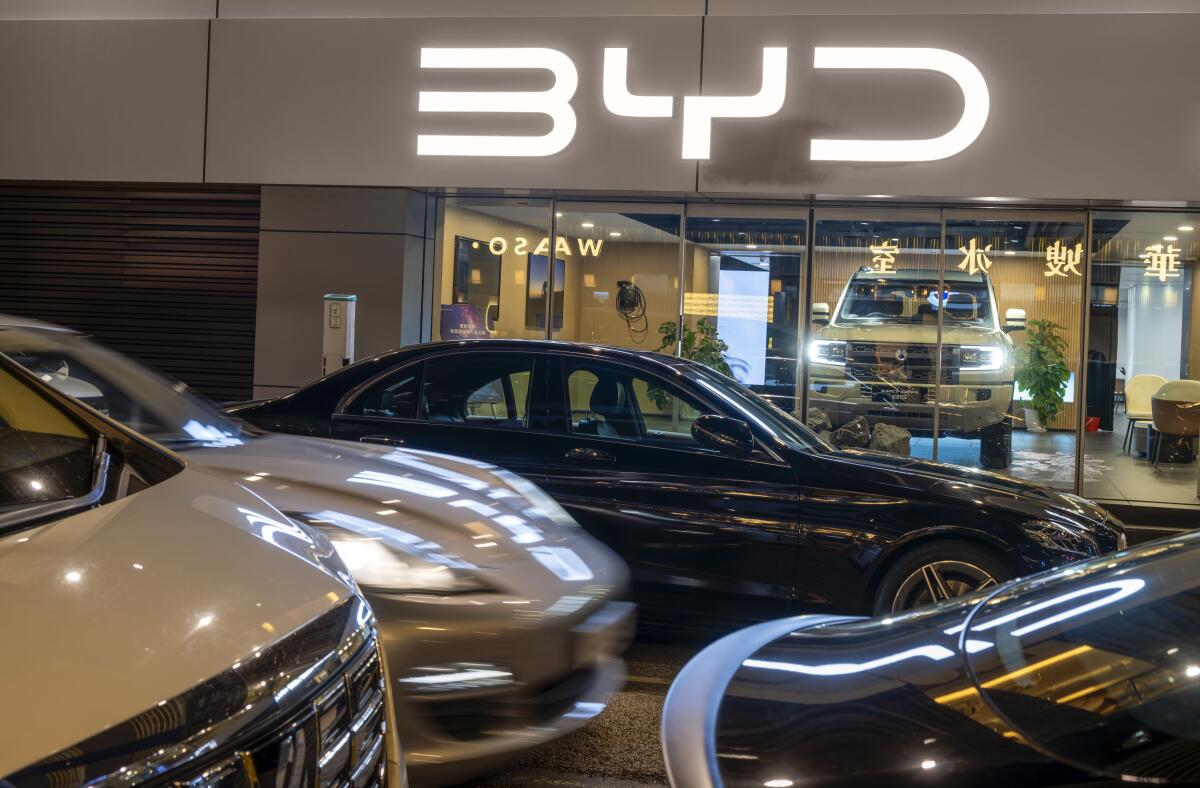
Tesla has lost its position as the world’s leading electric vehicle maker, overtaken by China’s BYD as Tesla’s global sales continue to soften amid intensifying competition and shifting market dynamics.
A Changing Global EV Leaderboard
BYD’s rise marks a significant inflection point in the global EV market. Long viewed as a fast-growing regional player, the Chinese automaker has leveraged scale, aggressive pricing, and deep vertical integration—particularly in batteries—to outpace Tesla in overall electric vehicle deliveries.
Tesla, once the undisputed leader in EV innovation and volume, is now grappling with slower demand growth in key markets, including North America and parts of Europe. Repeated price cuts, intended to stimulate demand, have compressed margins and signaled a more challenging phase for the company’s growth narrative.
Why Tesla’s Sales Are Slipping
Several factors are contributing to Tesla’s declining momentum:
-
Intensifying competition: Legacy automakers and Chinese EV manufacturers are flooding the market with new models at multiple price points.
-
Pricing pressure: Tesla’s strategy of frequent price reductions has boosted short-term demand but weighed on profitability.
-
Model lineup fatigue: With limited recent updates to its core models, Tesla faces growing competition from newer, feature-rich alternatives.
-
Regional headwinds: EV demand growth has slowed in some mature markets as incentives are scaled back and consumers become more price-sensitive.
BYD’s Advantage
BYD’s ascent is rooted in a different strategy. The company produces a wide range of electric and plug-in hybrid vehicles, many priced well below Tesla’s offerings. Its control over battery production and supply chains has helped it keep costs low while scaling rapidly, particularly in Asia and emerging markets.
Unlike Tesla, which remains heavily exposed to pure battery-electric vehicles, BYD’s hybrid portfolio has allowed it to capture consumers wary of charging infrastructure gaps.
What This Means for the EV Market
Tesla’s loss of the EV crown does not signal an immediate decline in its long-term relevance. The company remains a major force in EV technology, charging infrastructure, and autonomous driving research. However, the shift underscores a broader reality: the EV market is entering a more competitive, margin-sensitive phase where scale, affordability, and regional adaptability matter as much as innovation.
For consumers, the rivalry is likely to accelerate price competition and expand choice. For automakers, it marks the end of an era in which a single company dominated the electric future.
Bottom line: Tesla is no longer the uncontested leader of the global EV market. As BYD surges ahead, the battle for electric vehicle dominance is becoming more crowded—and far less predictable.






Leave a Reply