


Judge Puts Off Ruling on Minnesota’s Request to Block ICE Surge
📅 January 15, 2026
✍️ Editor: Sudhir Choudhary, The Vagabond News

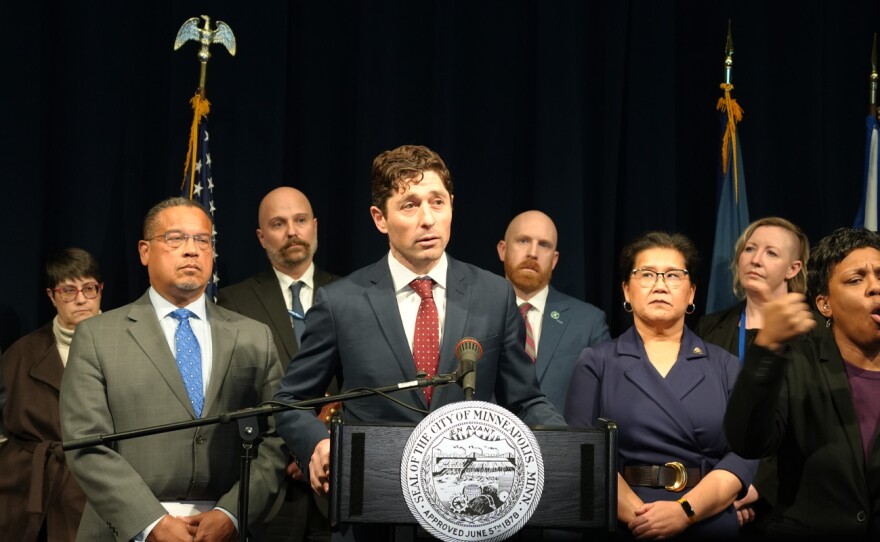
A federal judge in Minneapolis on Wednesday declined to immediately grant Minnesota’s request for a temporary restraining order (TRO) that would halt the surge of Immigration and Customs Enforcement (ICE) and other federal immigration agents operating within the state. Instead, the judge set deadlines for written arguments from both sides and postponed a decision, maintaining that more time is necessary to assess the legal merits of the state’s challenge.
The hearing marked a key early step in the lawsuit filed by Minnesota Attorney General Keith Ellison alongside the cities of Minneapolis and Saint Paul, which seeks to block the federal government’s expansive “Operation Metro Surge” of immigration enforcement activity throughout Minnesota. The surge has been intensely controversial, drawing protests, legal challenges, and heightened scrutiny following the fatal shooting of Renee Nicole Good by an ICE officer earlier this month.
Judge Says It’s Too Early for a Final Decision
U.S. District Judge Katherine Menendez declined the emergency TRO request at Wednesday’s hearing. According to court proceedings, the judge said she needed more time to review the arguments and evidence presented by both the state and federal government before issuing any ruling that could pause or restrict federal enforcement operations in Minnesota.
Rather than issuing an immediate ruling, Judge Menendez ordered a briefing schedule: the Justice Department is required to file its response by January 19, and Minnesota will have until January 22 to reply. After those filings, the judge will consider whether the state has demonstrated that it is “likely to succeed on the merits” — a necessary legal standard before a temporary restraining order can be granted.
The judge’s delay does not represent a final judgment on the legality of Minnesota’s claims. In court, Menendez emphasized the complexity of the constitutional questions at stake and the limited legal precedent governing state challenges to federal immigration enforcement deployments.
The State’s Lawsuit: “Federal Invasion,” Constitutional Claims
Minnesota’s lawsuit, filed on January 12, argues that the federal immigration surge — which has seen thousands of armed federal agents deployed across the Twin Cities area — has caused serious harm to residents, local law enforcement, and civil liberties. State officials have described the surge as akin to a “federal invasion,” alleging violations of constitutional protections including the First and Tenth Amendments.
The complaint asserts that federal agents have engaged in warrantless stops, excessive use of force, and arrests of individuals who did not pose a clear threat, including within sensitive locations like schools, hospitals, and places of worship. State leaders argue these actions unlawfully disrupt community life and exceed constitutional authority.
Minnesota’s legal team is also asserting that the federal response to local protests and criticism of immigration operations has chilled free speech, further compounding constitutional concerns.
Federal Government Pushes Back
The Justice Department, representing the federal government, argues that the deployment of ICE, Customs and Border Protection (CBP), and other Homeland Security agents falls squarely within Congress’s and the executive branch’s constitutional authority to enforce immigration law. Federal attorneys maintain that Minnesota has not shown any concrete legal basis for a court to intervene and stop long-standing federal enforcement activities.
Department of Homeland Security Assistant Secretary Tricia McLaughlin has criticized the state’s lawsuit as politically motivated and argued that Minnesota leaders are prioritizing “politics over public safety.” She has defended the surge as necessary and lawful enforcement of federal immigration statutes.
Continued Operations Amid Protests
While the legal process unfolds, ICE and DHS operations in Minnesota are continuing without interruption. Federal officials report more than 2,000 arrests in recent weeks tied to the enforcement surge, a figure that federal authorities say underscores the scope and seriousness of their mission.
The operations have drawn protests across Minneapolis and Saint Paul, with community groups criticizing federal tactics and demanding greater transparency — particularly in the wake of Renee Good’s death. The shooting has become a rallying point for opponents of ICE strategy in the region and has intensified public debate around immigration enforcement and state-federal authority.
What Happens Next
With deadlines now set for January 19 and January 22, legal analysts expect written briefs from both the Justice Department and Minnesota’s legal team to clarify the core constitutional arguments at issue. Only after those filings will Judge Menendez likely consider whether to issue a temporary restraining order or proceed to a more comprehensive hearing.
Should a TRO be granted, it would be subject to appeal by the federal government, potentially moving the dispute rapidly into higher courts. For now, however, federal immigration enforcement efforts in Minnesota continue unimpeded, and the judge’s decision has been postponed pending further court filings.
News by The Vagabond News
Tags: Minnesota lawsuit, ICE surge, federal immigration enforcement, Judge Katherine Menendez, Renee Good, constitutional challenge, Operation Metro Surge


