

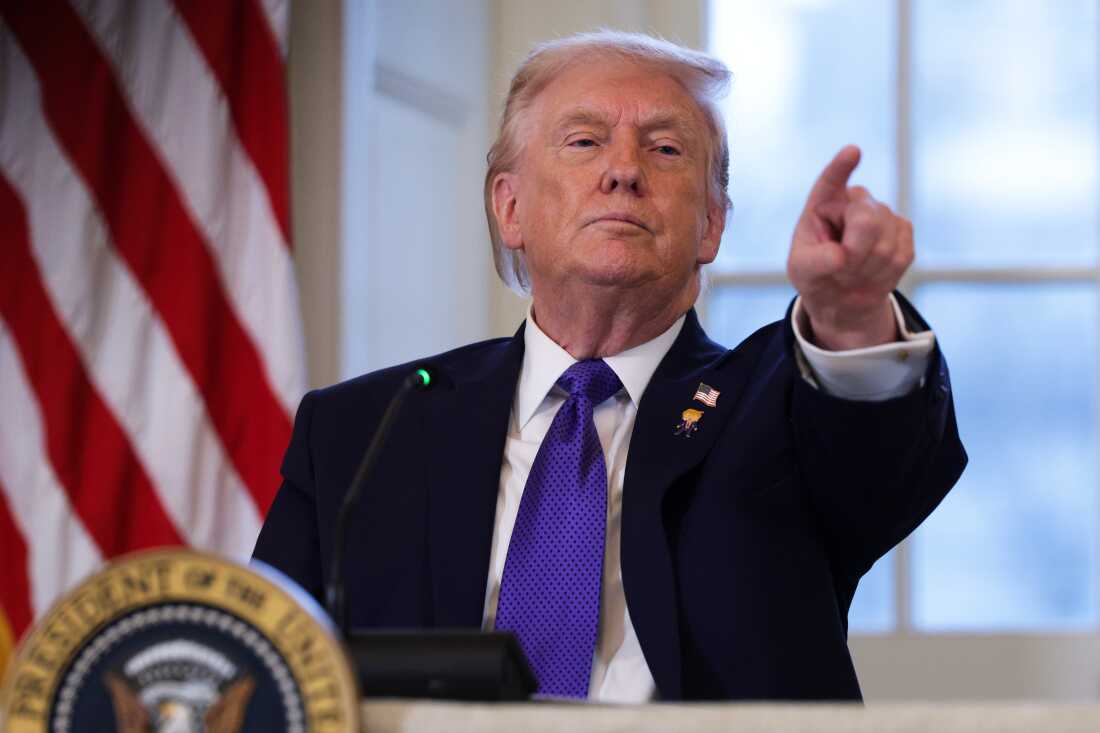
In a Risky Gambit, Trump Tries Brute Force to Lower Prices
📅 January 14, 2026
✍️ Editor: Sudhir Choudhary, The Vagabond News

President Donald Trump has launched an aggressive, high-stakes effort to force prices lower across key sectors of the U.S. economy, embracing a strategy that relies less on market incentives and more on direct pressure, executive authority, and public confrontation with companies and institutions he blames for stubbornly high costs.
The approach marks a sharp escalation in Trump’s economic playbook, reflecting mounting political urgency as voters continue to cite inflation — particularly the cost of food, housing, and energy — as their top concern. Whether the strategy delivers tangible relief or triggers economic backlash remains an open and consequential question.
Pressure Over Patience
Rather than waiting for interest rates, supply chains, or global conditions to ease prices organically, Trump has opted for speed and spectacle. In recent weeks, the administration has leaned on executive tools to pressure corporations, threatened regulatory scrutiny of industries accused of price “gouging,” and publicly chastised companies whose prices remain elevated.
Trump has framed the effort as a defense of consumers against what he calls “corporate abuse” and “artificially inflated prices,” arguing that strong leadership — not technocratic caution — is required to restore affordability.
Critics counter that price levels are shaped by complex forces beyond presidential command, warning that brute force tactics risk distorting markets rather than fixing them.
Energy and Food in the Crosshairs
Energy prices sit at the center of Trump’s strategy. The administration has pushed domestic producers to increase output, signaled willingness to tap strategic reserves, and suggested regulatory consequences for companies seen as restricting supply. Trump has repeatedly argued that lower fuel costs ripple through the economy, reducing transportation and food prices.
Grocery costs have also drawn attention. Trump allies have floated investigations into major food producers and retailers, accusing them of exploiting inflationary conditions to pad profits. While no sweeping price controls have been announced, the rhetoric alone has rattled industry executives.
Economists warn that public threats can temporarily suppress prices but often lead to unintended consequences, including reduced investment, supply shortages, or abrupt rebounds once pressure eases.
Clash With Economic Orthodoxy
Trump’s gambit places him at odds with traditional conservative economics, which typically favor market-driven solutions and minimal government interference. Instead, his strategy echoes more populist approaches, emphasizing visible action over incremental policy effects.
The administration has also taken aim at institutions — including the Federal Reserve — arguing that high interest rates are keeping prices elevated by stifling growth and supply expansion. While Trump lacks direct authority over the Fed, his public criticism has intensified, adding political heat to monetary policy debates.
Political Stakes Are High
For Trump, the risk is clear: if prices fail to fall quickly, the aggressive posture could backfire, reinforcing perceptions of economic instability or executive overreach. For supporters, however, the strategy reinforces Trump’s image as a leader willing to confront powerful interests head-on rather than defer to experts.
The gamble reflects a broader political calculation — that voters prefer visible action, even if imperfect, over cautious restraint while costs remain painfully high.
What Comes Next
So far, the results are mixed. Some prices have shown modest easing, while others remain stubbornly elevated. Analysts caution that isolating the impact of Trump’s tactics from broader economic trends is difficult, especially in a global economy still adjusting to post-pandemic disruptions and geopolitical tensions.
As Trump doubles down, the question is not just whether prices fall — but at what cost. The coming months will test whether brute force can bend economic reality, or whether markets ultimately resist even the most forceful presidential push.
Source: White House statements; economic analysts; industry responses
Tags: Donald Trump, U.S. economy, inflation, consumer prices, economic policy
News by The Vagabond News


