


How to Start (and Keep) a Healthy Habit (2026)
📅 January 2, 2026
✍️ Vagabond Lifestyle Desk | The Vagabond News
Starting a healthy habit has never been easier—or harder.
Fitness apps, smartwatches, AI coaches, and endless self-improvement content promise transformation in weeks. Yet by February, most resolutions quietly disappear. The problem is not motivation. It is design.
In 2026, behavioral science is clear: healthy habits fail not because people lack discipline, but because habits are built the wrong way.
Here is how to start a healthy habit—and more importantly, how to keep it.
Forget Motivation. Focus on Friction.
Motivation is emotional and unreliable. Habits, by contrast, are mechanical.
Healthy behaviors stick when they are:
-
Easy to start
-
Hard to avoid
-
Embedded in daily routines
Instead of asking, “How do I motivate myself to exercise?”, ask:
“How do I make not exercising inconvenient?”
Examples:
-
Lay out workout clothes the night before
-
Keep unhealthy snacks out of sight
-
Put a water bottle on your desk, not in a cupboard
Reduce friction for good habits. Increase friction for bad ones.
Start Embarrassingly Small
One of the biggest mistakes people make is starting too big.
Science shows habits form faster when the initial action feels almost trivial:
-
One push-up, not a full workout
-
Two minutes of reading, not an hour
-
One glass of water, not a hydration plan
The goal is not improvement. The goal is consistency.
Once a habit is automatic, scaling becomes easy. Before that, ambition is the enemy.
Attach the Habit to an Existing Routine
The brain resists new routines but loves patterns it already recognizes. This is why habit stacking works.
Structure habits as:
After I do X, I will do Y.
Examples:
-
After brushing my teeth, I will stretch for 30 seconds
-
After making coffee, I will take my vitamins
-
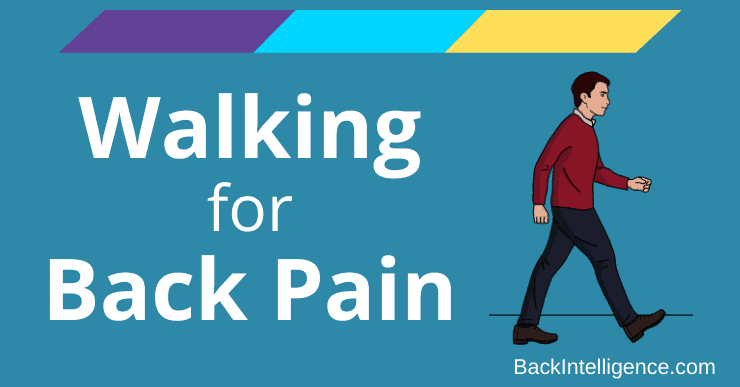
After dinner, I will walk for five minutes
No reminders needed. The cue already exists.
Track Progress—but Don’t Worship Streaks
Tracking creates awareness, which reinforces behavior. But obsession with streaks often backfires.
Miss one day, and many people quit entirely.
The healthier rule:
Never miss twice.
Progress is not linear. Consistency over time matters more than perfect execution.
Use tracking as feedback—not judgment.
Design for Bad Days, Not Good Ones
Most habits fail on stressful, tired, or chaotic days—not on ideal ones.
Ask yourself:
-
What is the minimum version of this habit I can do on my worst day?
Examples:
-
A 2-minute walk instead of a run
-
One healthy meal instead of a perfect diet
-
Writing one sentence instead of a full page
A habit that survives bad days is a habit that lasts.
Identity Beats Willpower
Lasting habits are rooted in identity, not outcomes.
Instead of saying:
-
“I want to lose weight”
Shift to:
-
“I am someone who takes care of my body”
Each small action becomes a vote for that identity. Over time, behavior follows belief—not the other way around.
Use Technology as Support, Not Control
In 2026, technology can help—but it cannot replace intention.
The best tools:
-
Reduce decision fatigue
-
Provide gentle reminders
-
Offer reflection, not pressure
Avoid systems that rely on guilt, streak punishment, or constant notifications. Habits grow through trust, not anxiety.
The Bottom Line
Healthy habits are not built through intensity. They are built through repeatability.
Start small. Remove friction. Anchor habits to routines. Expect imperfection. Design for real life—not ideal life.
In a world obsessed with transformation, the quiet power of consistency remains undefeated.
Tags: Healthy Living, Habit Building, Mental Wellness, Lifestyle 2026, Self Improvement
Source: Behavioral science research, public health guidance, and reporting by Vagabond Lifestyle Desk | The Vagabond News





Leave a Reply