


F.A.A. Rolls Out Agency Overhaul for Improving Air Safety
✍️ Editor: Sudhir Choudhary
📅 January 27, 2026
The Federal Aviation Administration announced a sweeping internal overhaul on Tuesday aimed at strengthening air safety oversight, addressing staffing shortages, and modernizing regulatory practices following a series of high-profile aviation incidents and near-misses across the United States.
FAA officials said the restructuring is designed to improve accountability, streamline decision-making, and restore public confidence in the nation’s aviation safety system, which oversees more than 45,000 flights daily.
Structural Changes and New Safety Focus
Under the overhaul, the FAA will reorganize several internal divisions to centralize safety oversight and reduce bureaucratic delays. Agency leadership said a new Safety Performance Directorate will coordinate risk analysis, accident prevention, and compliance enforcement across commercial aviation, general aviation, and air traffic operations.
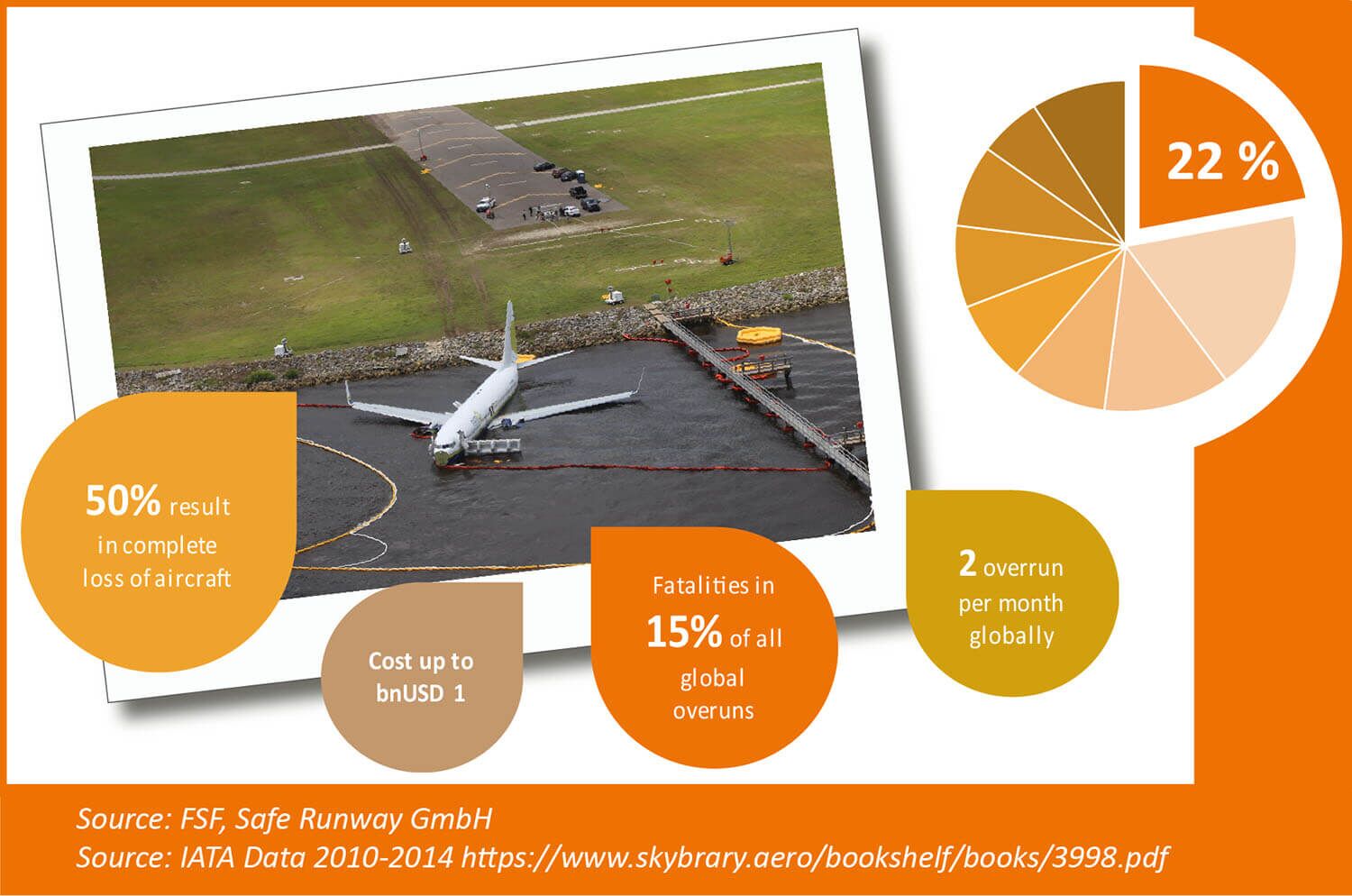
The FAA said the changes will allow faster identification of systemic risks, particularly in areas involving runway incursions, air traffic controller workload, and aircraft manufacturing oversight.
“This reorganization is about preventing accidents before they happen,” FAA Administrator Mike Whitaker said in a written statement. “We are aligning our structure with the complexity of today’s aviation system.”
Addressing Staffing and Oversight Gaps
A central element of the overhaul focuses on workforce shortages, especially among air traffic controllers. The FAA confirmed it will accelerate hiring, expand training pipelines, and revise shift scheduling to reduce fatigue.
Internal reviews have found that staffing shortfalls at major hubs and regional airports have contributed to operational strain. While the FAA did not release airport-specific data, officials acknowledged that controller shortages remain a nationwide concern.
The agency also said it will strengthen oversight of aircraft manufacturers and maintenance providers, expanding the number of inspectors and increasing unannounced audits. These steps follow criticism from lawmakers and safety advocates who argued that the FAA relied too heavily on industry self-certification in recent years.
Congressional and Industry Response
Lawmakers from both parties welcomed the announcement but stressed that implementation will be critical. Members of congressional aviation committees have previously warned that without sustained funding and transparency, structural changes alone would not be sufficient.
Airline industry groups said they support reforms that improve safety but cautioned against regulatory bottlenecks that could disrupt operations. The FAA responded that efficiency and safety are not mutually exclusive and that the overhaul is designed to reduce redundancy, not increase it.
What Prompted the Overhaul
The FAA’s announcement follows a period of heightened scrutiny after multiple runway incursions, equipment failures, and manufacturing quality concerns raised alarms among regulators and the public. While no single incident triggered the overhaul, officials said the cumulative pattern highlighted the need for systemic reform rather than incremental fixes.
The agency also pointed to recent recommendations from the National Transportation Safety Board, which urged stronger coordination between regulators, air traffic control, and industry stakeholders.
What Is Known — and What Remains Unclear
Confirmed elements of the overhaul include:
-
A reorganization of FAA safety and oversight divisions
-
Accelerated hiring and training for air traffic controllers
-
Expanded inspection authority over manufacturers and operators
Not yet publicly detailed:
-
Specific budget allocations tied to the overhaul
-
Timelines for full implementation
-
Metrics that will be used to measure safety improvements
FAA officials said progress reports will be released periodically as reforms are rolled out.
A Long-Term Test for U.S. Aviation Safety
Aviation experts say the overhaul represents one of the most significant internal restructurings at the FAA in years, but caution that results will take time.
“Safety reform is not immediate,” said one former FAA official. “The real test will be whether these changes persist beyond the current news cycle and translate into measurable risk reduction.”
As air travel demand continues to grow, the FAA said the overhaul is intended to ensure the U.S. aviation system remains the safest in the world.
Sources:
Federal Aviation Administration official statements; congressional aviation committee records; National Transportation Safety Board recommendations.
Tags:
FAA, Aviation Safety, Air Traffic Control, Airline Oversight, U.S. Aviation
News by The Vagabond News.


