


Displaced Residents Move HC Against Demolitions, Allege Lack of Prior Notice
January 2, 2026
Editor: Sudhir Choudhary, The Vagabond News

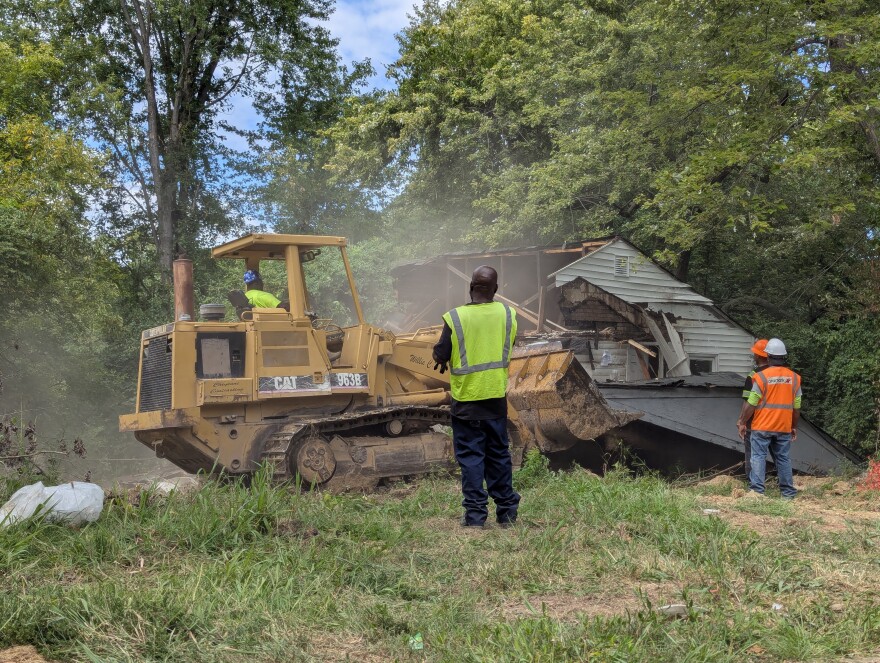
Displaced residents affected by a recent demolition drive have approached the High Court, alleging that their homes were razed without prior notice or due process, in what they describe as an arbitrary and unlawful action by local authorities. The petitioners have sought urgent judicial intervention, claiming violations of fundamental rights and established legal safeguards governing evictions and demolitions.
Allegations of Due Process Violations
According to the petition filed before the High Court, the residents contend that demolition teams arrived without serving individual notices or providing reasonable time to respond, appeal, or make alternative arrangements. Many families claim they were rendered homeless overnight, with personal belongings destroyed or buried under debris.
The plea argues that the demolitions violated principles of natural justice and constitutional protections, including the right to life and shelter under Article 21 of the Constitution. The residents have further alleged that no rehabilitation plan or temporary relief was offered before or after the action.
What the Petition Seeks
The petitioners have asked the court to:
-
Stay further demolition activity in the affected area
-
Direct authorities to provide immediate rehabilitation or compensation
-
Order a judicial inquiry into the demolition drive
-
Frame clear guidelines to ensure prior notice and hearing in future actions
Senior counsel representing the residents told the court that even encroachments, if any, cannot be removed without following due legal procedure. “The law does not permit demolitions by surprise,” the counsel submitted, emphasizing that eviction must be preceded by notice, an opportunity to be heard, and a reasoned order.
Government’s Stand
Counsel appearing for the state and local civic authorities maintained that the demolitions were carried out as part of an anti-encroachment drive on public land. Authorities argued that the structures were illegal and posed safety and planning concerns, asserting that general notices had been issued earlier.
However, the petitioners dispute this claim, stating that no individual or site-specific notices were served and that many residents had lived in the area for years with access to electricity, water, and voter identification records.
Court’s Observations
During the initial hearing, the High Court sought a detailed response from the authorities on whether statutory notice requirements were followed. The court reportedly asked officials to place records on affidavit, including copies of notices issued, timelines, and rehabilitation measures, if any.
The matter has been listed for further hearing, with the court indicating that it would examine whether the demolitions complied with constitutional standards and prior Supreme Court rulings on forced evictions.
Wider Implications
The case adds to a growing number of legal challenges against demolition drives across India, where courts have repeatedly emphasized that executive action must be proportionate, non-discriminatory, and legally justified. Legal observers say the outcome could have broader implications for how urban authorities conduct anti-encroachment operations.
Human rights groups have welcomed the court’s intervention, calling it a crucial test of accountability and rule of law amid increasing use of demolition as an enforcement tool.
What Lies Ahead
Until the next hearing, displaced families remain in temporary shelters or with relatives, uncertain about compensation or resettlement. The court’s decision is expected to clarify the limits of executive power in demolition cases and reaffirm procedural safeguards for vulnerable residents.
Tags:
High Court, Demolition Drive, Displaced Residents, Due Process, Right to Shelter, Urban Governance, Encroachment, Civil Rights, India News
News by The Vagabond News
Source: The Hindu


