

Democrats’ Age Battles: Exclusive Insights on Generational Conflict
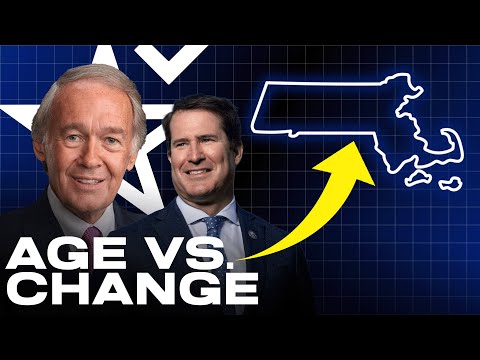
A brewing conflict in Massachusetts serves as a revealing glimpse into a broader struggle within the Democratic Party: the generational divide. As societal norms and political landscapes evolve, age battles among Democrats are coming into sharper focus, igniting discussions from local races to national agendas.
The Massachusetts Conflict
In Massachusetts, a contentious primary election is spotlighting the friction between younger and older Democrats. With the party facing critical decisions on leadership, endorsements, and visions for the future, this age battle is poised to set a precedent for how political parties navigate generational differences. Activists, candidates, and voters are increasingly aware of the implications of their choices. The question of who should lead and represent the Democratic Party becomes not just one of capability and experience but also of values that resonate with a changing electorate.
The Rising Influence of Younger Voters
This conflict is underscored by the rising influence of younger voters, who are more likely to prioritize issues like climate change, social justice, and economic equality. These voters are not just looking for candidates who address their concerns; they demand representatives who fully embody their visions for the future. The push from younger Democrats is not merely about age—it’s a call for a radical rethinking of the party’s policies and outreach strategies.
As younger political figures emerge, they bring fresh ideas and a different approach to governance. Candidates like Boston City Councilor Michelle Wu have garnered significant attention and support, advocating for progressive reforms and a new direction for the party. Wu’s campaign encapsulates the push for change, appealing directly to the concerns and aspirations of younger constituents while emphasizing the need for innovative solutions.
The Experience vs. Energy Debate
In contrast, seasoned politicians argue that their years of experience provide them with the wisdom necessary to navigate complex political landscapes. Older Democrats like Representative Katherine Clark and former Senator Elizabeth Warren stress the importance of established relationships in enacting change. They believe that experience is irreplaceable and argue that the party risks self-destructive decisions if it fails to recognize the value of seasoned leadership.
However, this age battle raises pressing questions: Can experience coexist with the energy and idealism of the younger generation? Can both factions come together to forge a united front against common enemies, such as the Republican Party? The challenge lies in bridging the gap between the traditional principles of long-standing party members and the revolutionary ideals fueled by the urgency of younger activists.
Bridging the Generational Divide
For the Democratic Party, navigating these age battles requires more than simply bickering over who should lead; it demands a concerted effort to engage all generations. Productive dialogue and collaborative initiatives can redefine party priorities while addressing the deep-seated concerns of voters across the spectrum. By committing to mentorship programs that pair seasoned politicians with youth leaders, the party can foster leadership that embodies both experience and innovation.
Furthermore, it’s crucial for Democrats to establish platforms where voices from both sides can be heard and respected. Holding town hall meetings that prioritize open discussions can pave the way for understanding and cooperation. Engaging constituencies from various age groups fosters a sense of unity and shared purpose, allowing for an enriching exchange of ideas.
Looking Ahead
As the 2024 elections loom, the age battle within the Democratic Party is emblematic of larger trends affecting political parties everywhere. Massachusetts’ skirmishing signals a pivotal turning point, challenging assumptions about governance and representation. It invites political observers to consider how legacy and evolution can coexist in a party that seeks to be both paramount and progressive.
Ultimately, the outcome of these generational conflicts will likely shape not only the Democratic Party’s direction but also the very fabric of American politics in years to come. By addressing this generational divide head-on, Democrats have the potential to emerge stronger, more inclusive, and better equipped to tackle the multifaceted issues that lie ahead.
As we watch this unfolding drama in Massachusetts, one thing remains clear: The age battles among Democrats are far from a fleeting squabble; they represent a vital reckoning that could redefine the party’s future and its ability to resonate with voters across generations.
News by The Vagabond News


Leave a Reply