


What to Know About How Redistricting Is Different in the U.S.
✍️ Editor: Sudhir Choudhary
📅 February 18, 2026

Redistricting in the United States is a constitutionally mandated process that redraws political boundaries following each decennial census. While the requirement for equal population districts is consistent nationwide, the mechanisms by which maps are drawn — and who controls the process — vary widely from state to state.
These structural differences have shaped the political landscape for decades, influencing representation in the U.S. House of Representatives and in state legislatures.
Constitutional Foundation
The U.S. Constitution requires a census every 10 years to allocate seats in the House of Representatives among the states. After reapportionment determines how many seats each state receives, districts must be redrawn to reflect population shifts.
The U.S. Supreme Court has established the principle of “one person, one vote,” requiring districts to have roughly equal populations. Courts have also ruled that districts must comply with the Voting Rights Act, which protects minority voters from dilution of electoral power.
Who Draws the Maps?
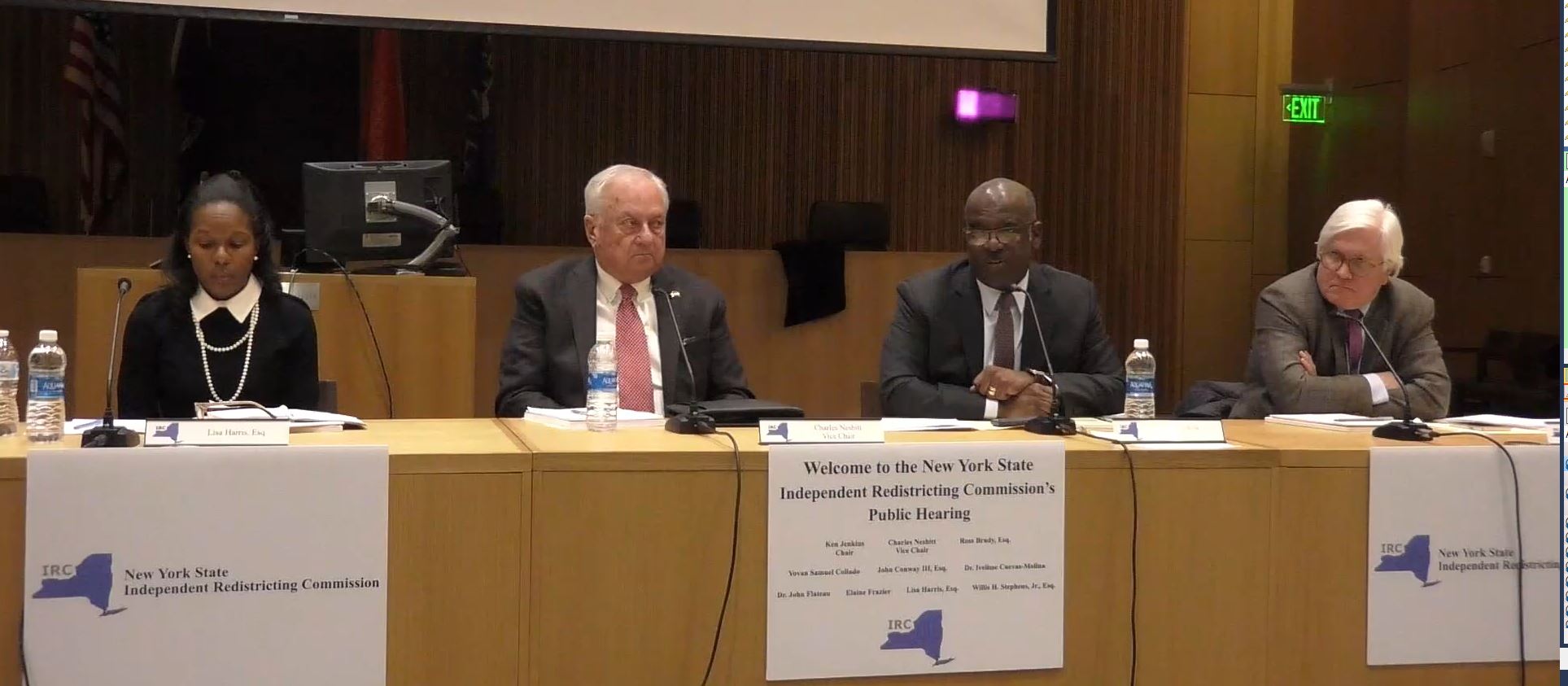
The most significant difference in redistricting across the U.S. lies in who controls the process.
In many states, the state legislature draws congressional and state legislative maps. When one political party controls both legislative chambers and the governor’s office, that party can exert significant influence over district boundaries.
Other states use independent or bipartisan redistricting commissions designed to limit partisan manipulation. States such as California and Arizona employ citizen-led commissions, while others use hybrid models combining lawmakers and public members.
In rare cases, courts intervene when legislatures or commissions fail to produce maps or when approved maps are found unconstitutional.
Gerrymandering and Legal Challenges
Redistricting has long been associated with gerrymandering — the practice of drawing districts to favor a particular political party or demographic group. Partisan gerrymandering cases have repeatedly reached the U.S. Supreme Court.
In 2019, the Court ruled that federal courts cannot adjudicate claims of partisan gerrymandering, leaving oversight largely to state courts and state constitutions. However, racial gerrymandering claims remain subject to federal judicial review.
Several states have seen redistricting maps struck down or revised after lawsuits alleging violations of voting rights or constitutional principles.
Differences in Transparency and Public Input

Transparency and public participation also differ significantly by state. Some states conduct extensive public hearings and allow citizen map submissions. Others conduct negotiations largely within legislative committees.
Technological advances have made detailed demographic and voting data widely accessible, increasing both precision in map drawing and scrutiny from advocacy groups.
Political Implications
Redistricting can alter the competitiveness of elections, protect incumbents, or shift power balances within Congress and state legislatures. District configurations affect not only partisan outcomes but also the representation of racial, ethnic, and geographic communities.
Because congressional districts determine representation in the U.S. House, redistricting can shape national policy debates for an entire decade.
As states continue to experiment with different models — legislative control, independent commissions, or judicial oversight — redistricting remains one of the most consequential and debated processes in American democracy.
Sources: U.S. Constitution; U.S. Supreme Court rulings; National Conference of State Legislatures; Voting Rights Act provisions.
Tags: Redistricting, Gerrymandering, U.S. Politics, Voting Rights, Census, Congress
News by The Vagabond News.


