


Judge Orders U.S. to Facilitate Return of College Student Who Was Deported in Error

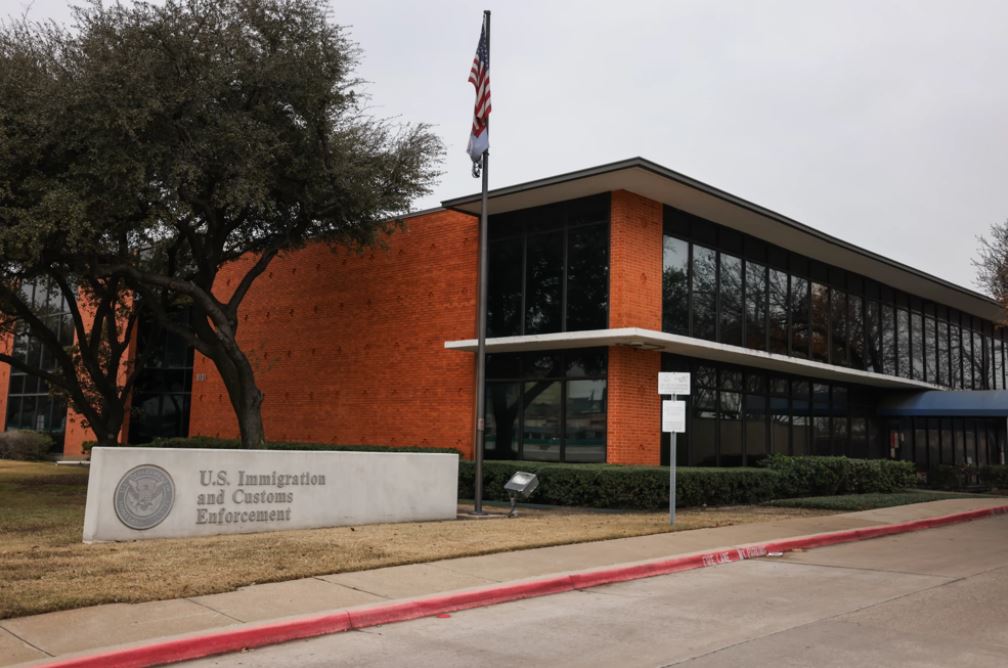
A federal judge has ordered the United States government to facilitate the return of a college student who was deported in error, according to court records released this week. The ruling follows emergency legal filings by the student’s attorneys, who argued that the removal violated federal procedures and the individual’s legal rights.
The order directs federal authorities to take immediate steps to enable the student’s return while the underlying immigration case proceeds. Court documents indicate that the judge found sufficient evidence to conclude that the deportation resulted from administrative error rather than a lawful final removal order.
The student’s identity has not been publicly disclosed in full court filings to protect privacy interests. Attorneys representing the individual confirmed that the student was enrolled at a U.S. college at the time of removal and had been maintaining academic status.
Court Finds Procedural Error
In the written order, the judge stated that the government must “facilitate and not impede” the student’s return to the United States. The ruling emphasized that removal actions must comply with statutory and regulatory safeguards, including notice requirements and the opportunity for judicial review.
According to filings, the student was removed despite a pending motion or legal protection that should have temporarily barred deportation. The court found that deportation under such circumstances raised substantial legal concerns warranting immediate intervention.
The Department of Justice, representing the federal government, has not publicly commented in detail on the ruling. In court, government attorneys acknowledged administrative discrepancies but argued that remedial steps were already under consideration.
Legal Standards in Removal Proceedings
Under U.S. immigration law, individuals subject to removal are entitled to due process protections, including hearings before immigration judges and, in certain cases, appellate review. Courts have consistently held that deportations executed in violation of pending stays or active legal proceedings may require corrective action.
Legal analysts note that federal courts possess authority to issue injunctive relief when government actions appear inconsistent with statutory obligations. Orders directing the government to facilitate a return are uncommon but not unprecedented when removal is deemed erroneous.
The judge did not dismiss the underlying immigration case. Instead, the order restores the student’s opportunity to continue legal proceedings from within the United States.
Impact on the Student and Institution
Representatives for the college confirmed that the student was enrolled in good standing and had not faced disciplinary action prior to the deportation. University officials declined to comment on immigration specifics but stated they are monitoring the situation.
The student’s legal team described the removal as disruptive and harmful, citing academic interruption and emotional distress. They argued that deportation during active proceedings undermined confidence in procedural safeguards.
The court’s order does not immediately compel issuance of a visa or permanent status. Rather, it requires federal agencies to coordinate steps necessary to allow the student’s lawful reentry while litigation continues.
Government Compliance and Next Steps
Federal authorities must now determine the mechanism for compliance, which may involve travel documentation, coordination with overseas consular officials, and communication with immigration enforcement agencies.
The judge set a deadline for status updates on compliance efforts, though specific dates were not disclosed in publicly accessible summaries. Failure to adhere to court directives could result in further judicial action.
As of publication, there has been no announcement regarding an appeal. The Department of Justice retains the right to challenge the ruling in a higher court.
Broader Implications
Immigration attorneys say the case underscores the complexity of removal procedures and the consequences of administrative errors. Advocacy groups have called for stronger oversight mechanisms to prevent similar incidents.
Federal officials have maintained that removal operations generally adhere to legal standards and that errors, while rare, are subject to internal review.
The case remains active, with further proceedings expected as the court monitors compliance with its order.
Sources: Federal court order; Department of Justice court filings; university statement; immigration law records.
Tags: Immigration Law, Federal Court, Deportation Case, U.S. Legal System
News by The Vagabond News.


