

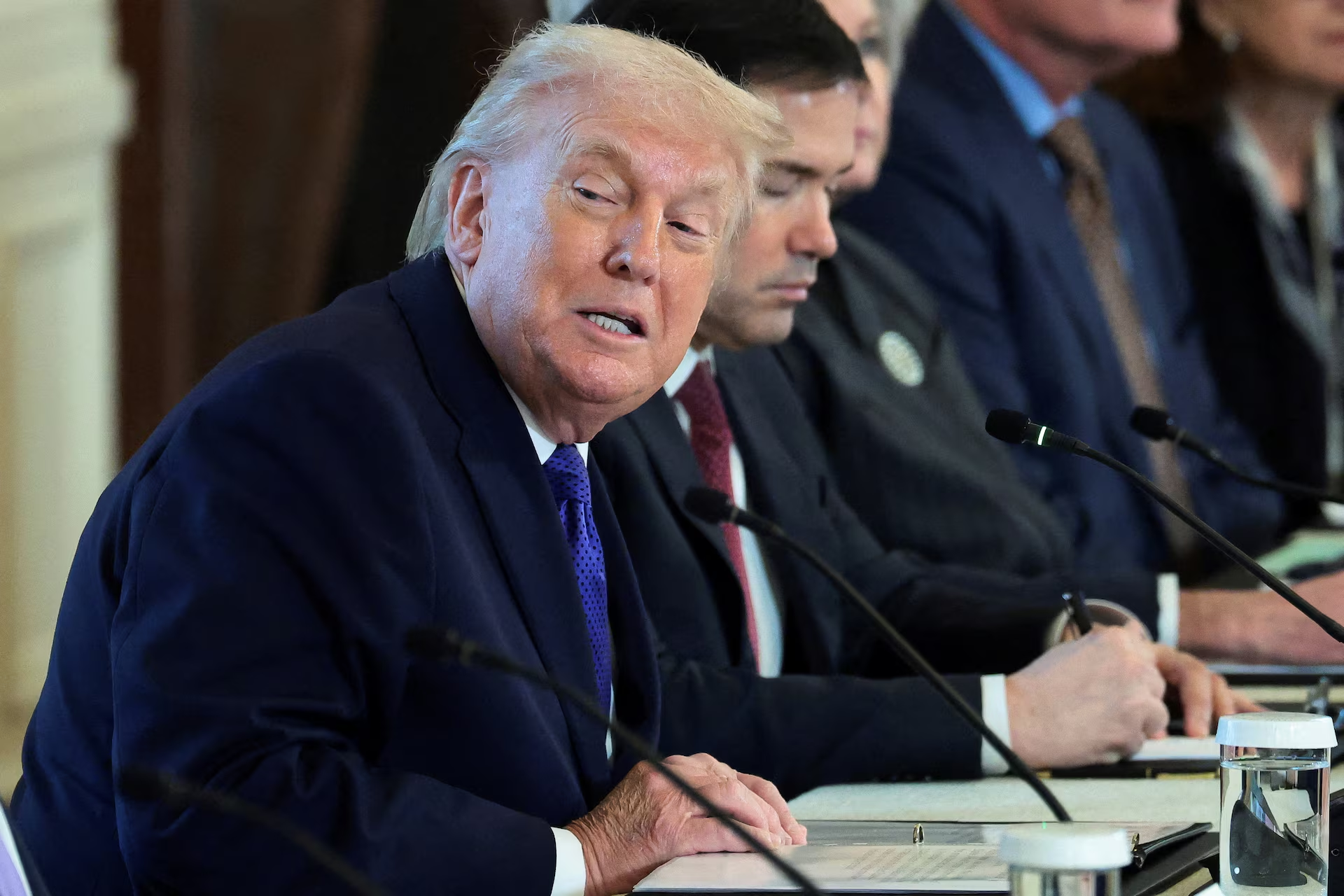
Trump Explores Diplomacy With Iran While Weighing Strikes, Officials Say
📅 January 13, 2026
✍️ Editor: Sudhir Choudhary, The Vagabond News
WASHINGTON — President President Donald Trump is reportedly pursuing a dual-track approach toward Iran, exploring diplomatic overtures from Tehran while simultaneously keeping military options, including potential strikes, on the table, according to senior U.S. officials and White House statements.
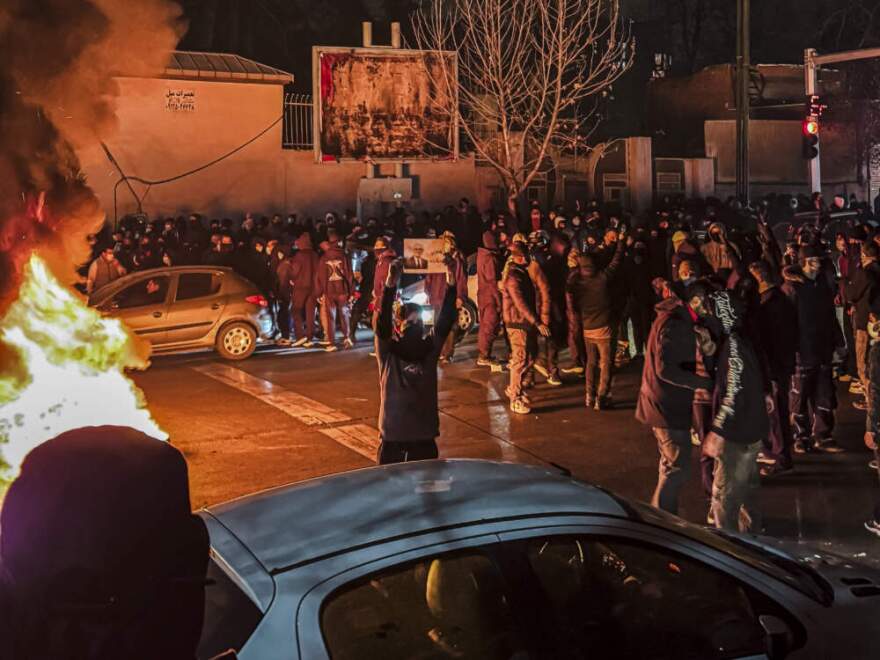
The developments follow weeks of nationwide unrest in Iran, during which a violent crackdown on anti-government protests has drawn international attention and raised questions about U.S. policy toward Tehran. U.S. officials say the administration is balancing pressure with engagement, seeking to avoid escalation while signalling consequences if violence against protestors continues.
Open Channels Amid Unrest
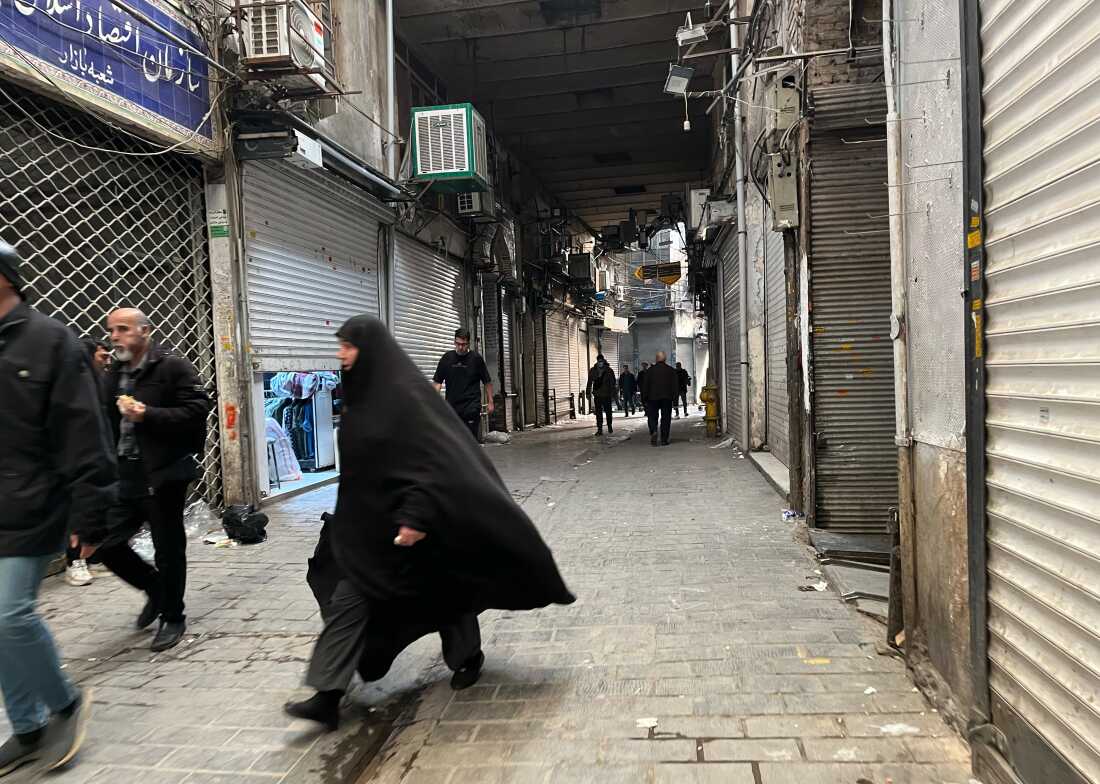
Iran has experienced widespread demonstrations that began in late 2025 and continued into January 2026, spurred by economic hardship and broader political grievances. Iranian authorities have responded with force and communications blackouts, triggering reports of hundreds of protester deaths and mass detentions, though independent verification remains difficult.
Despite the heightened tensions, Iran’s leadership has not closed off dialogue. U.S. officials confirmed that communication channels remain active and that Iranian authorities, including Foreign Minister Abbas Araghchi, have been in contact with U.S. envoys. The exchanges reportedly include discussions both about the internal situation in Iran and possible diplomatic engagement with Washington.
White House Press Secretary Karoline Leavitt reiterated that while President Trump prefers diplomacy as the first option, military action remains a viable choice if conditions warrant a stronger response. Leavitt stated that “air strikes would be one of the many, many options on the table,” even as the administration expresses interest in further exploring diplomatic openings.
Internal Deliberations and Strategic Tensions
According to U.S. officials, Trump has been briefed by senior advisers, including leaders from the State Department, the Department of Defense, and the National Security Council, on a range of potential responses. This internal deliberation reflects a broader strategic debate within the administration — how best to combine pressure and engagement without inadvertently provoking wider conflict in the Middle East.
The options under review reportedly span enhanced sanctions, cyber operations targeting Iranian security networks, support for internet access inside Iran, and targeted strikes on specific regime assets. While outright large-scale military action is described by experts as lower probability, the willingness to consider a spectrum of strong responses underscores the seriousness with which the White House is treating the situation.
Officials have stressed that diplomacy would be given priority if a substantive agreement could be reached that addresses U.S. concerns — including Tehran’s treatment of protesters and its broader regional conduct. At the same time, U.S. policymakers appear mindful that any aggressive military action could escalate into wider conflict and further destabilise the region.
Tehran’s Position and International Reactions
Iranian authorities have maintained they are “prepared for war” if attacked but have also signalled a willingness to negotiate under certain conditions, including demands for fair and respectful engagement. This dual posture complicates Washington’s calculus, as U.S. leaders weigh the credibility of Iran’s diplomatic overtures against the backdrop of internal repression and external threats.
International responses to the unfolding situation have been mixed. Some allies have urged restraint and stressed the need for humanitarian protection for Iranian civilians, while others emphasise the importance of diplomatic channels to avert outright conflict. Global actors continue to monitor the situation closely, anticipating how U.S. strategy might influence broader Middle East stability.
Looking Ahead
President Trump’s approach to Iran reflects an effort to signal strength while keeping diplomatic pathways open. By publicly affirming that diplomacy is the preferred first option — yet affirming that military measures remain available — the administration appears intent on preserving strategic ambiguity.
For U.S. policymakers, the challenge lies in calibrating a response that deters further violence without triggering broader hostilities. As the White House continues its deliberations in the coming days, both diplomatic engagement and the threat of stronger action will remain central to America’s evolving Iran policy.
Tags: U.S.–Iran Relations, Diplomacy, Military Options, Donald Trump, Iran Protests, Middle East Policy
News by The Vagabond News


